The Crenshaw Academy Blog
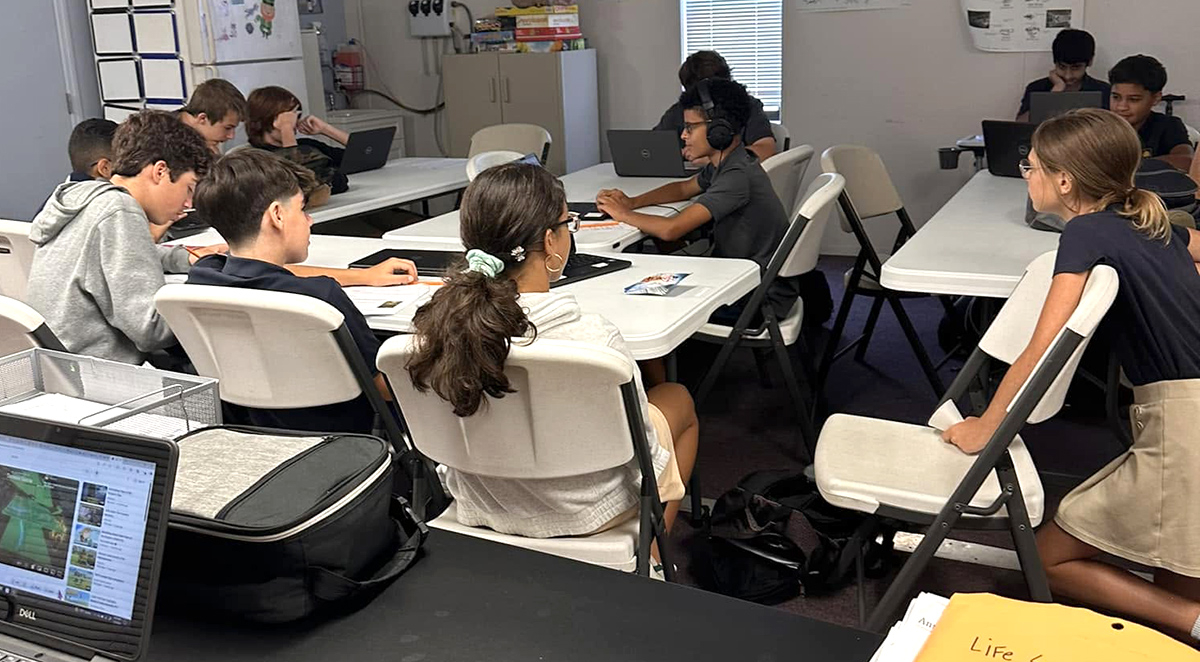
Does the number of students in a room change what a child learns? This is among the most studied questions in American education, and it has been genuinely contested for forty years. What follows is a look at the major studies, including the ones that complicate the case for smaller classes.

Every parent of a middle or high schooler eventually asks the same question: how do we set our child up for college success without piling on stress, cost, or wasted time? Dual enrollment is one of the most powerful answers available, yet it's also one of the most misunderstood. Many families assume it's reserved for seniors, or that it means trading away the structure of a supportive school.

For thousands of Central Florida families, this school year will not look like the last one. For some families, homeschooling has served its purpose and it's time for something new. For others, it's been a wonderful fit, and they're simply looking for support to keep it going.

Private school can feel like an option reserved for the privileged few, especially when tuition numbers appear on a page without any context around financial assistance. But the data tells a more nuanced story, and Florida's expansive school choice landscape has changed the equation in ways that many families have not yet discovered.

Private school tuition can feel out of reach for many Orlando-area families, but Florida's school choice scholarship landscape has changed dramatically in recent years, and thousands of students across the state are now attending private schools with significant financial assistance. Florida has become a national leader in educational choice, offering multiple scholarship programs designed to match every family's situation. If you've been wondering how Florida school choice scholarships work, whether your family qualifies, and how to navigate the application process, this guide is for you.

For decades, the standard measure of a student's ability has been distilled into a single number: their GPA. While grades certainly have their place, a growing body of research suggests that relying solely on standardized testing and letter grades paints an incomplete picture of what a student knows. At Crenshaw Academy, we've understood this since our founding in 1997. Our approach to holistic student assessment looks at the whole child, evaluating how they think, collaborate, create, and grow.

In an era where information is abundant but wisdom is scarce, the ability to think critically has become more valuable than ever. At Crenshaw Academy, we've spent nearly three decades refining our approach to critical thinking education, realizing that learning extends far beyond memorizing facts. Our mission centers on developing creative, thinking individuals who can analyze, question, and synthesize information effectively.

School breaks are a cherished time for families to relax, spend quality time together, and step away from the daily routine, but the transition back to school after extended breaks can be academically and socially challenging. Research shows that students can lose significant academic progress during extended time away from structured learning, a phenomenon often called "summer slide" or "academic slide." The good news? With intentional planning and the right holiday learning strategies, parents can help their children maintain academic momentum while still enjoying well-deserved downtime.
- When Your Child Dreads Returning to School: Addressing Back-to-School Anxiety After Breaks
- Supporting Your Student: Effective Strategies When Your Child is Struggling in School
- From Kindergarten to College: How a Consistent Educational Philosophy Benefits Students
- The Science Behind Small Class Sizes: Research-Backed Benefits for K-12 Students